

There’s a reason “glowing skin” shows up in almost every beauty conversation you’ll ever have. It’s not about looking flawless or filtered — it’s that healthy, lit-from-within look that makes people ask what your secret is. The good news is that secret usually isn’t a $200 serum. More often, it’s a handful of everyday habits working together quietly in the background.
This article isn’t going to promise you’ll wake up tomorrow with different skin. That’s not how skin works, and anyone who tells you otherwise is selling something. What you will get here is a realistic, practical guide to achieving glowing skin naturally — the kind of skin that looks healthy because it actually is healthy, built through small, consistent habits rather than expensive quick fixes.
Start With a Simple Natural Skincare Routine
One of the biggest mistakes people make when trying to improve their skin is overcomplicating things. Ten-step routines and shelves full of products can actually work against you, especially if your skin is sensitive or already a bit stressed out. A simple, consistent routine tends to beat a complicated one almost every time.
Gentle Cleansing
Wash your face twice a day — once in the morning, once before bed — with a gentle, non-stripping cleanser. This sounds obvious, but a lot of people still use cleansers that leave skin feeling tight and squeaky clean. That tightness isn’t a sign it’s working; it’s usually a sign your skin barrier just got stripped of oils it actually needed. A damaged barrier leads to more irritation, more sensitivity, and paradoxically, more breakouts — the opposite of the glow you’re after.If you wear makeup or sunscreen, consider a quick oil-based cleanse first, followed by your regular cleanser. It sounds like an extra step, but it genuinely does a better job of removing buildup without you having to scrub.
Moisturizing (Yes, Even If You Have Oily Skin)
Skipping moisturizer because your skin is oily is one of the most common natural skincare mistakes out there. When you deprive oily skin of moisture, it often responds by producing even more oil to compensate. A lightweight, non-comedogenic moisturizer — even a gel-based one — helps keep your skin barrier balanced, which shows up as that smoother, more even natural glow on your face.
Sun Protection Isn’t Optional
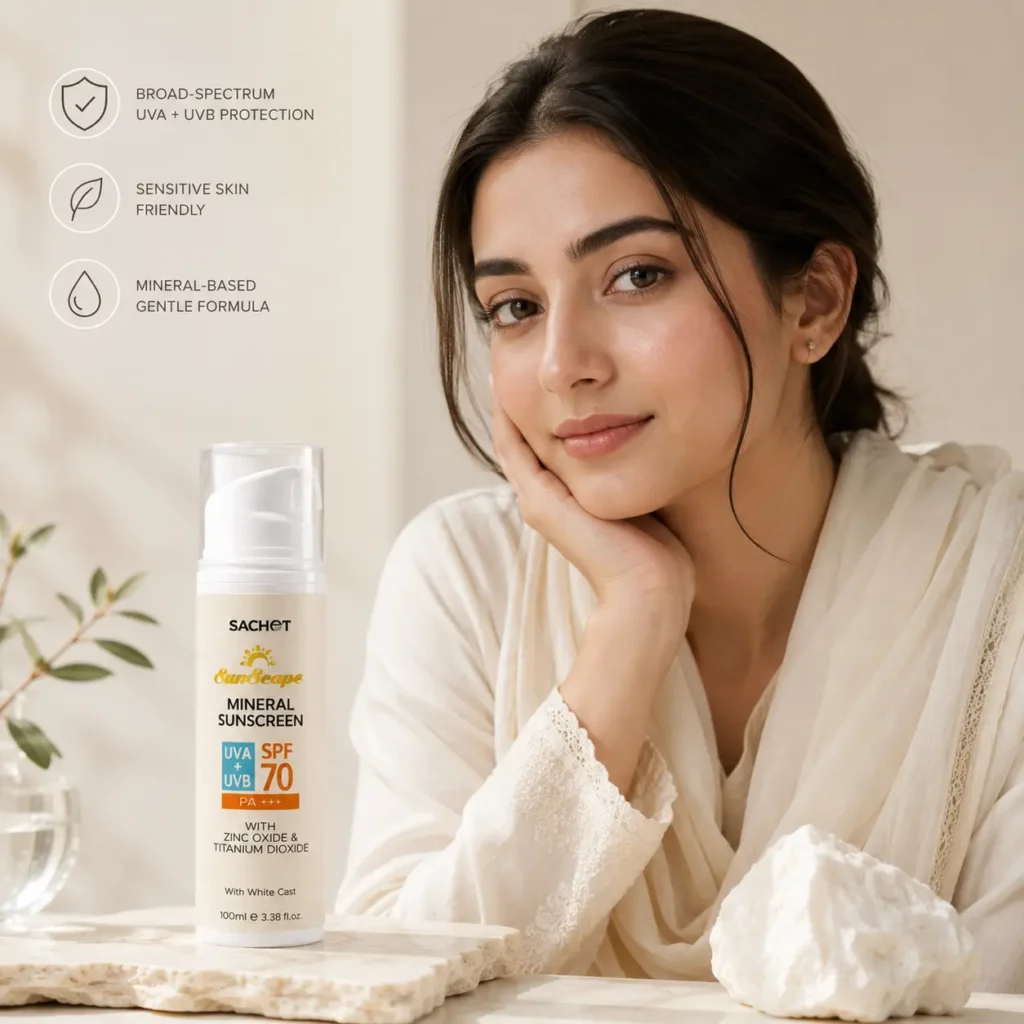
If you only take one thing from this entire article, let it be this: sunscreen is the single most effective thing you can do for your skin’s long-term appearance. Unprotected sun exposure is the leading cause of premature aging, dullness, uneven tone, and dark spots.
A broad-spectrum SPF 30 or higher, applied every single morning — cloudy days included — does more for glowing skin than almost any serum on the market. This isn’t a “natural vs. chemical” debate; it’s simply one of the best-supported pieces of skincare advice there is.
Hydration: The Habit People Underestimate
You’ve heard “drink more water” a hundred times, so let’s go a little deeper than that. Hydration affects skin plumpness and texture, but water alone isn’t a magic fix — your skin also needs to retain that moisture, which is where a good moisturizer and healthy fats in your diet come in. Think of hydration as working from two directions: what you drink, and what you put on your skin to seal it in.
A practical habit: keep a glass or bottle of water somewhere visible — your desk, your bag — so drinking enough becomes something you do without thinking about it, rather than something you have to remember.What You Eat Actually Shows Up on Your Skin
What You Eat Actually Shows Up on Your Skin
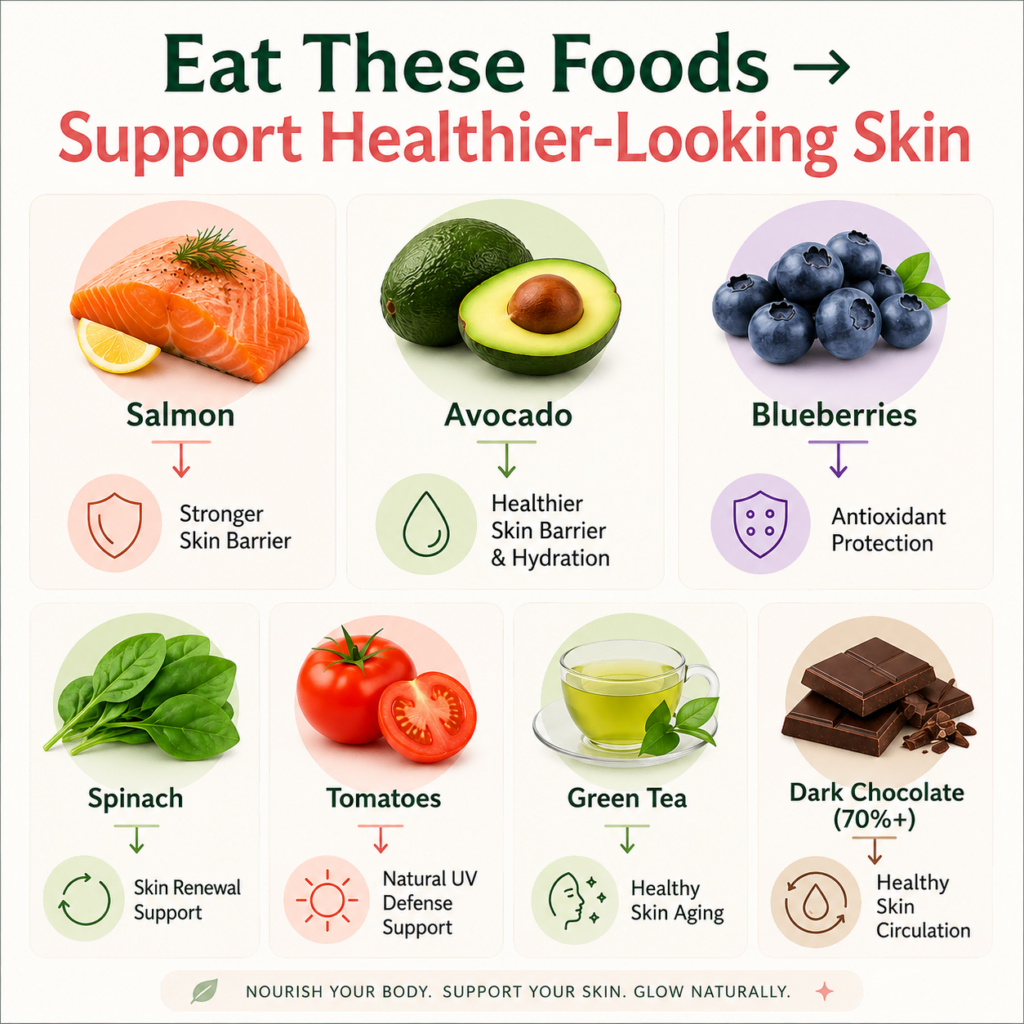
This is where a lot of people underestimate just how much influence diet has. Your skin is an organ, and like every other organ, it reflects what you’re feeding your body.
Fruits and vegetables are packed with antioxidants, which help protect skin cells from everyday environmental stress. Berries, leafy greens, tomatoes, and citrus fruits are particularly useful additions — not because any single food is magic, but because a varied intake over time supports overall skin resilience.
Protein matters more than most people realize. Collagen, the protein responsible for skin’s firmness and elasticity, needs amino acids to rebuild itself. If your diet is consistently low in protein, your skin has fewer raw materials to repair and renew itself with.
Healthy fats — the kind found in avocados, nuts, olive oil, and fatty fish — help maintain your skin’s lipid barrier, which is what keeps moisture in and irritants out. Cutting fats out of your diet entirely tends to leave skin looking dry and dull rather than “clean” or clear.
None of this means one salad will transform your skin. It’s the pattern over weeks and months that counts, not any single meal.
Sleep: The Most Underrated Skincare Step

There’s a reason it’s called “beauty sleep,” even if the phrase sounds a little cliché. While you sleep, your body goes into repair mode — skin cells regenerate, blood flow to the skin increases, and inflammation from the day starts to settle down. Consistently getting too little sleep shows up as dullness, puffiness, and more visible fine lines over time.Most adults need somewhere between seven and nine hours. If your schedule makes that difficult, even small improvements — going to bed twenty minutes earlier, keeping a consistent wake time — tend to make a noticeable difference within a couple of weeks.
Exercise and Circulation

Physical activity increases blood flow, which delivers oxygen and nutrients to skin cells more efficiently and helps carry away waste products. That’s part of why people often look a little brighter after a workout — it’s not just sweat, it’s circulation.
You don’t need intense daily workouts for this benefit. A brisk 20–30 minute walk, a few times a week, does real work here. Just remember to cleanse your skin afterward, since sweat mixed with makeup or product buildup can clog pores if left sitting too long.
Stress Management Isn’t Just a Mental Health Tip
Chronic stress raises cortisol levels, and elevated cortisol has a documented link to increased oil production, breakouts, and slower skin healing. This is one of those areas where “it’s all connected” isn’t just a wellness slogan — it’s genuinely how your body works.
You don’t need a complete lifestyle overhaul to manage this. Something as simple as ten minutes of quiet time, a short walk without your phone, or a consistent wind-down routine before bed can measurably lower stress over time. The goal isn’t to eliminate stress — that’s unrealistic for most people — but to give your body regular chances to recover from it.
Common Skincare Mistakes Worth Avoiding
A few habits quietly undo a lot of good work:
**Over-exfoliating.** More isn’t better here. Exfoliating too often strips the skin barrier and can leave it more reactive, not smoother.**Trying too many new products at once.** If your skin reacts badly, you won’t know which product caused it.
**Picking at breakouts.** It feels satisfying in the moment and almost always leads to more visible marks afterward.
**Assuming “natural” automatically means safe.** This one deserves its own section, because it trips up a lot of well-meaning people.
Natural Doesn’t Automatically Mean Safe
This is worth being direct about: just because an ingredient is natural doesn’t mean it’s gentle, or even safe, for your skin. Undiluted lemon juice, baking soda, and raw garlic are common examples of “natural” DIY treatments that can actually damage the skin barrier, cause chemical burns, or trigger irritation — sometimes badly enough to leave lasting marks.
If you want to try a natural ingredient, patch-test it on a small area first, and be skeptical of any DIY remedy that promises fast, dramatic results. Real skincare improvement is usually gradual. If something works within a day, it’s often because it’s aggressively stripping or irritating your skin, not healing it.
Setting Realistic Expectations for Glowing Skin Naturally
Genetics, hormones, and underlying skin conditions all play a role in how your skin looks and behaves — and no amount of clean eating or gentle cleansing can fully override that.
If you’re dealing with persistent acne, unexplained rashes, sudden changes in your skin, or anything that doesn’t improve with consistent basic care, that’s a conversation for a dermatologist, not a lifestyle tweak. General wellness habits support healthy skin, but they aren’t a substitute for medical treatment when something is genuinely wrong.For most people without an underlying condition, though, consistency really is the biggest factor. A simple routine, decent sleep, reasonable hydration, sun protection, and a generally balanced diet — kept up for a few months, not a few days — tends to produce a visible, lasting difference. It’s slower than what a filter can do, but it’s real.
FAQ
How long does it take to see results from natural skincare habits?
Most people start noticing subtle changes — less dullness, more even texture — within three to six weeks of consistent habits. Deeper changes, like improved firmness or reduced dark spots, usually take a few months, since skin cell turn over itself takes around four weeks.
Can drinking more water alone give me glowing skin?
Water helps, but it’s not the whole picture. Hydration works best alongside a moisturizer that seals that water into your skin and a diet that includes healthy fats. Water alone rarely fixes dryness or dullness on its own.
Is it necessary to use expensive products for glowing skin?
No. Consistency, gentle basics, and sun protection matter far more than price. Many affordable cleansers and moisturizers work perfectly well — what matters most is that they suit your skin type and that you actually use them regularly.
Can stress really cause breakouts?Yes, there’s a real physiological link. Elevated stress hormones can increase oil production and inflammation, which often shows up as breakouts, particularly along the jawline and chin for many people.
What should I do if natural remedies aren’t improving my skin?
If you’ve been consistent with gentle basics for a couple of months and aren’t seeing improvement — or if your skin is getting worse — it’s worth seeing a dermatologist. Some skin concerns, like hormonal acne or eczema, need targeted treatment that lifestyle habits alone can’t address.